The difference is an acid
Freebase nicotine is nicotine in its plain, unmodified form. It's what e-liquid used to be, and it's alkaline. Nicotine salts are the same nicotine with an acid — commonly benzoic acid — added, which lowers the pH.
That pH change is the entire story. Alkaline freebase nicotine is harsh on the throat, and the harshness scales with strength. Past roughly 12–20mg, freebase becomes unpleasant enough that most people simply won't inhale it. Lowering the pH takes that edge off, which is what makes 50mg tolerable at all.
So salts didn't make nicotine stronger. They made a strength that already existed possible to actually draw on.
Why the whole shelf is 5%
Once salts made 50mg tolerable, the disposable category standardised there fast — a small device with a small amount of liquid needs high concentration to satisfy anyone, and salts removed the reason not to.
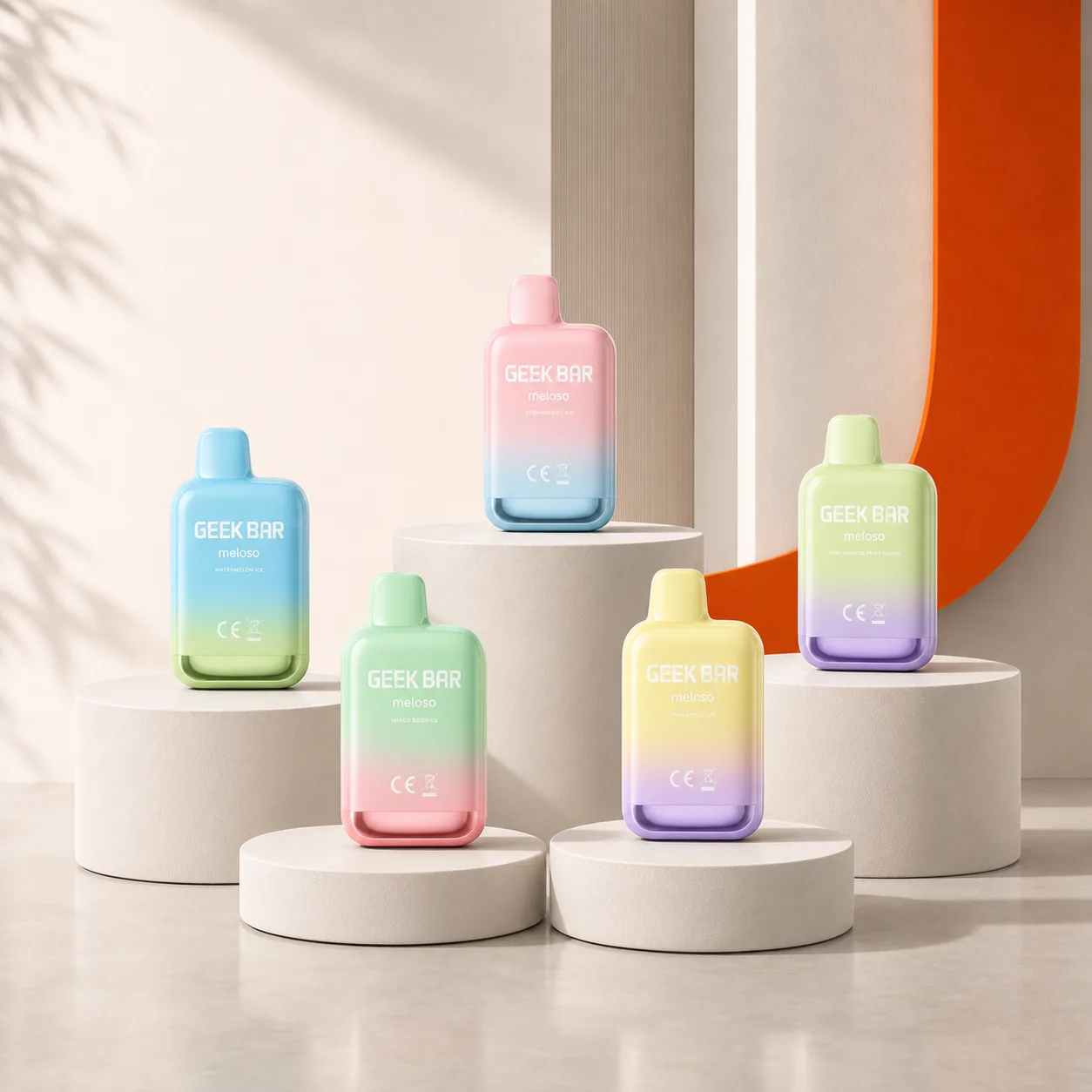
That's why 'which strength' is barely a question within disposables. It's a settled default rather than a menu. Every disposable we stock is 5% / 50mg: the Meloso MINI, the Pulse 2, the Classic Cube pod, the X-Cube Kit, the RAZ TN9000.
Where strength does become a real choice is the pouches — ZYN at 6mg, WYN at 10mg. Different format, different absorption, and those milligram figures don't map onto the vape percentages in any way you can do arithmetic on.
| Freebase | Nicotine salt | |
|---|---|---|
| Chemistry | Nicotine as-is, alkaline | Nicotine + acid, lower pH |
| Throat feel at high mg | Harsh — the limiting factor | Tolerable, which is the point |
| Typical strengths | Roughly 3–20mg | 25–50mg (5%) |
| Absorption | Slower onset | Faster onset |
| Typical hardware | Refillable tanks, larger devices | Pods and disposables |
What this means when you're buying
Practically: not much, because within our disposables there's no decision to make. It matters mainly as context — if you've read that 3mg or 6mg is normal, that's freebase territory and a different kind of hardware from anything on this shelf.
If 5% is more than you want, the answer isn't a lower-strength disposable — the category barely makes them. It's a different format. Pouches are where the range lives here.
And if a device feels harsher than you expected at the same 5%, strength isn't the variable. Airflow and power mode change perceived harshness at identical nicotine levels, which is exactly why adjustable airflow and multiple modes exist on these devices.
- 5% and 50mg are the same number stated two ways — 50mg per mL of liquid.
- Every disposable we stock is 5% / 50mg; the strength range is in the pouches.
- Our product data lists nicotine strength but not a full ingredient panel, so check the retail packaging for the complete formulation.
- Nicotine is addictive at any strength and in any form. These products are for adults who already use nicotine.
Common questions
What's the difference between nicotine salts and freebase nicotine?
Chemistry, not potency. Salts are nicotine with an acid added, which lowers the pH and takes the harshness off. Freebase is nicotine unmodified and alkaline, which gets harsh as strength rises — that harshness is why freebase is rarely sold above roughly 20mg, and why salts made 50mg practical.
Why are all disposable vapes 5%?
Because salts made that strength tolerable to inhale, and a small device with a small amount of liquid needs high concentration to satisfy anyone. Once both were true, the category standardised there. Every disposable we stock is 5% / 50mg.
Is 5% nicotine the same as 50mg?
Yes — two ways of writing the same figure. 5% means 50 milligrams of nicotine per millilitre of e-liquid. A 16mL device at 5% therefore holds substantially more total nicotine than a 5mL device at the same percentage.
Are nicotine salts safer than freebase?
That's not a claim we make or one this comparison can support. The difference described here is chemical — pH, throat feel, and absorption speed — not a safety difference. Nicotine is addictive in both forms. See our FDA disclaimer for the full statement.
I want something weaker than 5% — what are my options?
Not a disposable, realistically; the category barely makes them below 5%. The strength range on this site lives in the pouches, where we stock ZYN at 6mg and WYN at 10mg. Note that pouch milligrams and vape percentages measure different things and don't convert.