How the number is produced
Puff counts come from a machine. It takes short, uniform draws — typically around two seconds — at fixed intervals, at the device's lowest power setting, until the liquid is gone. Total liquid divided by liquid-per-machine-puff gives you the number printed on the box.
Nothing about that is fraudulent. It's just a measurement of a scenario you will never reproduce. Your draws are longer and less consistent, and if you use a boost mode you're pulling far more liquid per puff than the test did.
Why a bigger number can mean a smaller device
Puff count is liquid divided by liquid-per-puff. A manufacturer can raise the count by increasing the numerator — more liquid, a genuinely bigger device — or by shrinking the denominator, meaning less liquid consumed per puff, usually via a lower-power baseline mode.
The second route is cheaper, which is why the headline numbers have inflated far faster than device sizes have. It's also why cross-brand puff comparisons are close to meaningless: you're comparing two different testing baselines, not two devices.
| Device | Advertised puffs | E-liquid | Puffs claimed per mL |
|---|---|---|---|
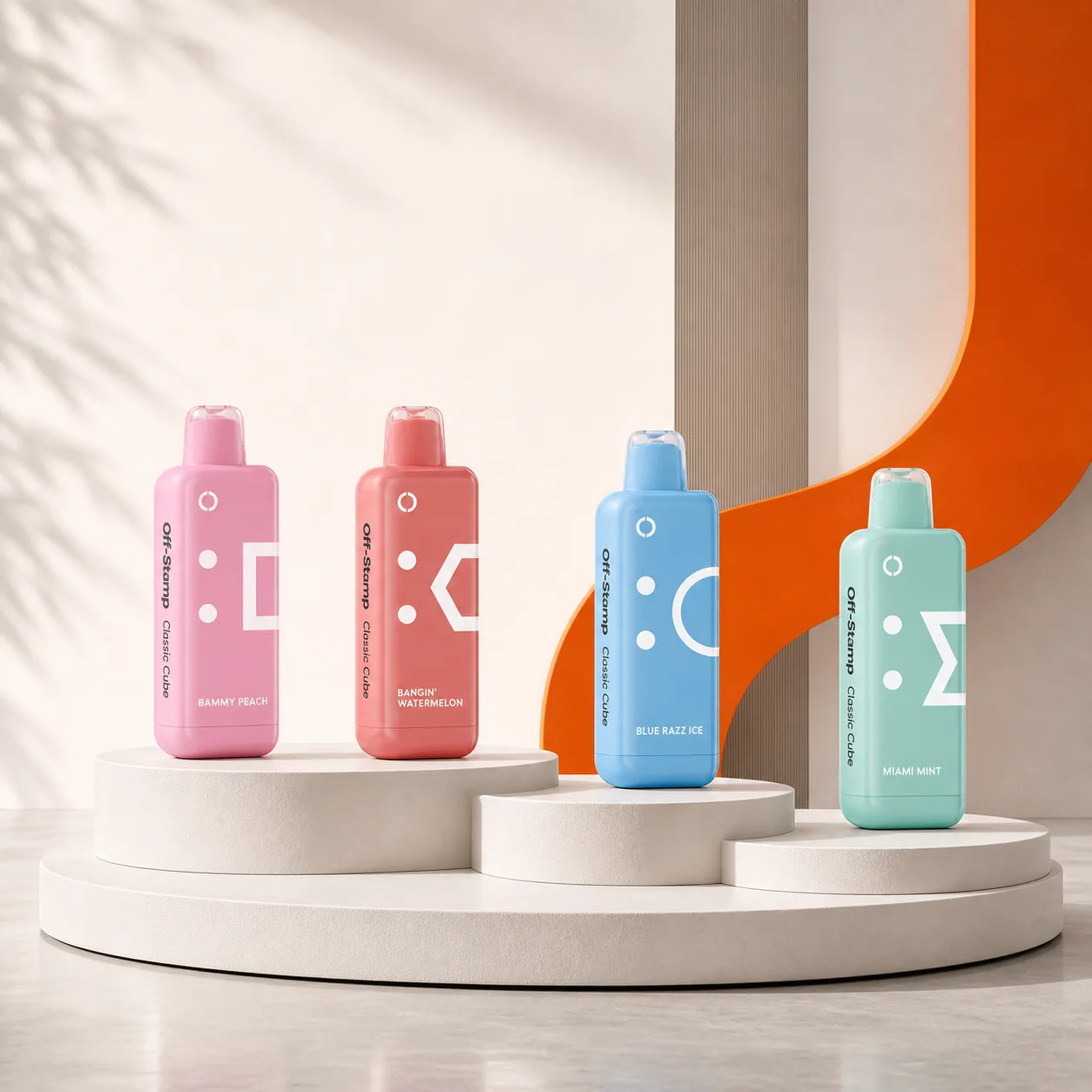
| Off-Stamp Classic Cube pod | 25,000 | 18mL | ~1,400 |
| Geek Bar Pulse 2 | 25,000 | 16mL | ~1,560 |
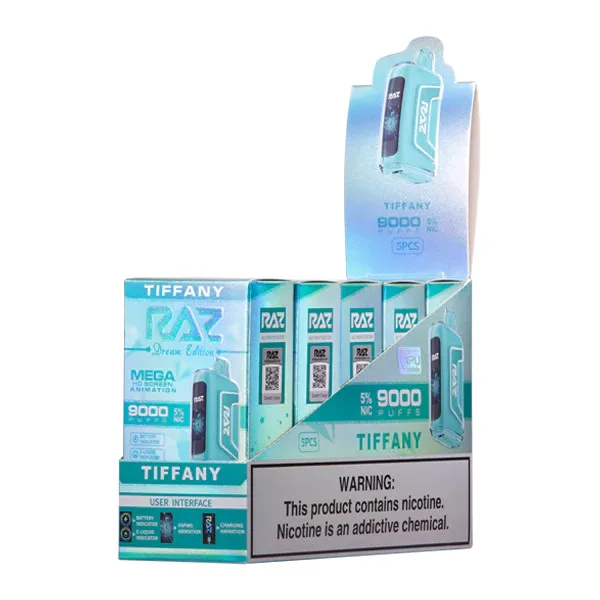
| RAZ TN9000 | 9,000 | 12mL | ~750 |
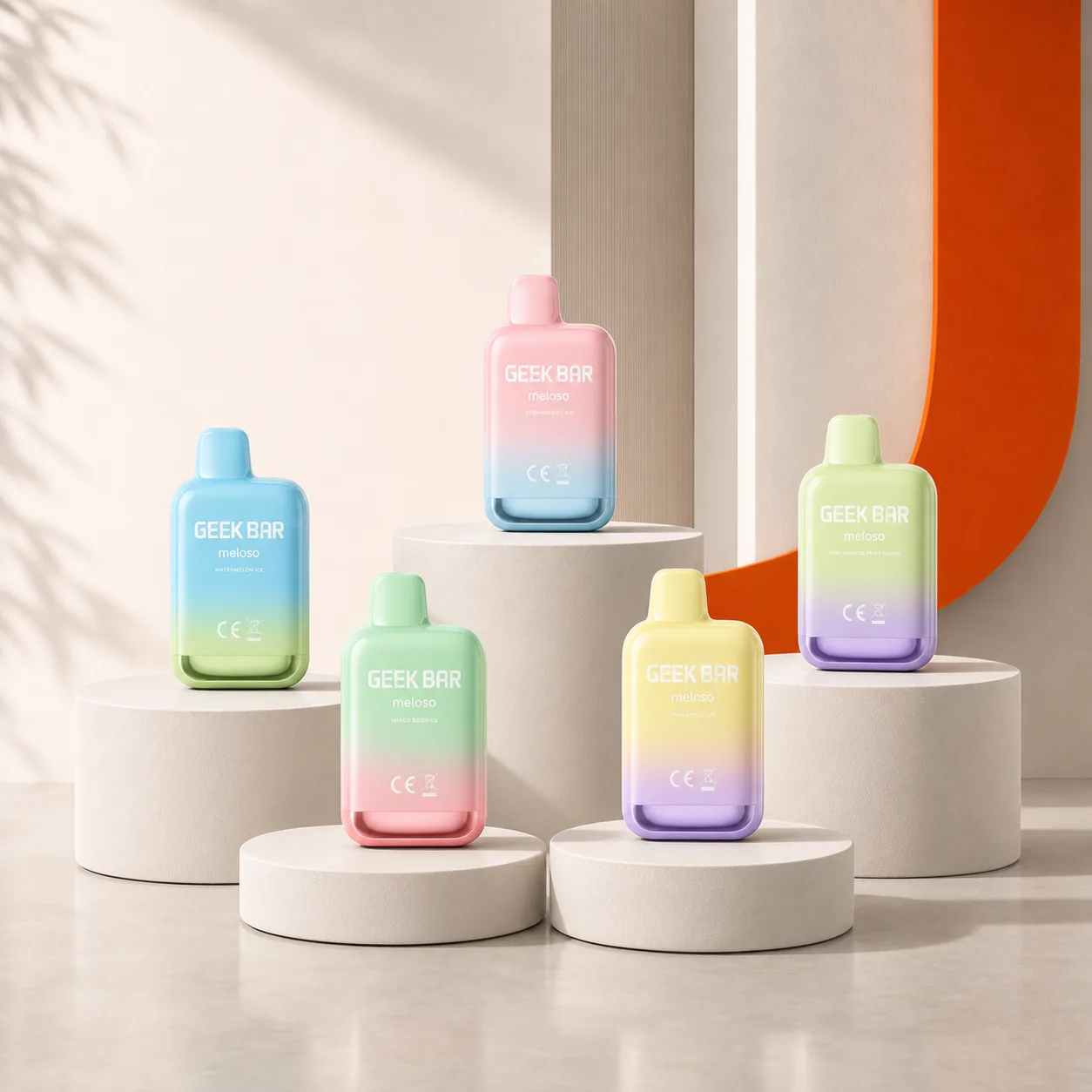
| Geek Bar Meloso MINI | 1,500 | 5mL | ~300 |
Read the second number
Any device with two power modes publishes two puff counts, and the gap between them is the most honest figure on the box. The Geek Bar Pulse 2: 25,000 regular, 15,000 Pulse. The Pulse X 2: 50,000 regular, 25,000 Pulse.
That gap is the manufacturer telling you exactly how much the headline depends on the test conditions. A device advertising 50,000 that halves to 25,000 the moment you use its marquee feature is a 25,000-puff device with a marketing department.
What to compare instead
None of this makes puff counts useless. Within a single brand, tested the same way, they're a fair relative signal. Across brands, they're marketing.
- E-liquid capacity in millilitres — a physical quantity, unspoofable, directly proportional to how long the device lasts.
- The low-mode-to-high-mode gap — how much the claim rests on you never using the fun setting.
- Battery capacity relative to liquid — a 16mL/800mAh device means several recharges before the liquid is done.
- Price per millilitre — the honest cost comparison. The Meloso MINI holds 5mL and the Pulse 2 holds 16mL, and the Pulse 2 is nowhere near three times the price, so it is much cheaper per millilitre.
Common questions
How long does a 25,000-puff vape actually last?
There's no honest universal answer, because it depends on your draw length and power mode — which is precisely the problem with the number. Use e-liquid capacity as your guide: a 16mL device holds a bit over three times what a 5mL device holds, and that ratio holds regardless of how you use it.
Why can two 25,000-puff devices hold different amounts of liquid?
Because puff count is liquid divided by liquid-per-puff, and the second term is set by the test's power baseline. A lower baseline produces a higher count from less liquid. Our Pulse 2 holds 16mL at 25,000 puffs while the 25K Off-Stamp Classic Cube pod holds 18mL at the same advertised count.
Are puff counts regulated?
There's no standardised, enforced testing protocol behind the number, which is why cross-brand comparisons don't hold up. Treat it as a manufacturer's claim measured under their own conditions.
Does using boost mode really halve the life?
Roughly, and the manufacturers say so themselves. The Geek Bar Pulse 2 is rated 25,000 in regular mode and 15,000 in Pulse; the Pulse X 2 is 50,000 regular and 25,000 Pulse. Higher power vaporises more liquid per puff.